Insider tips for recycling bulky rubbish instead of landfill in E3
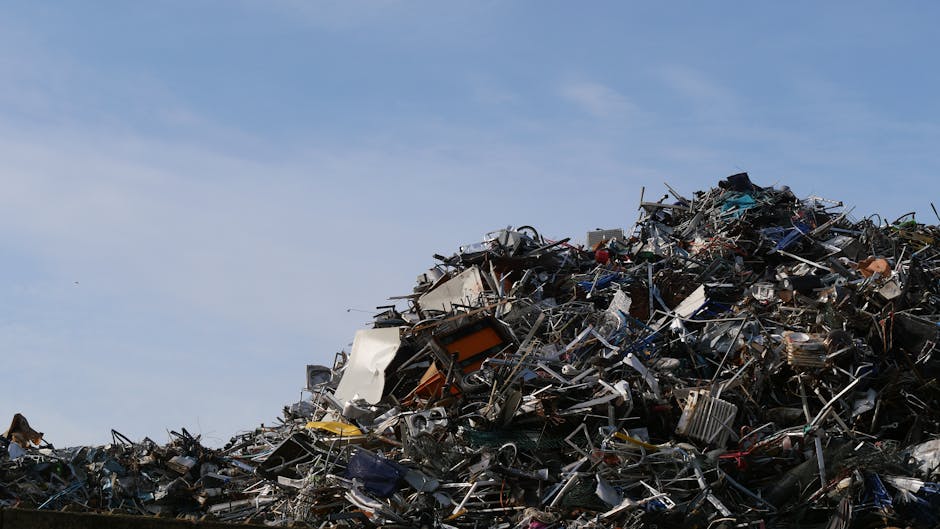
If you live or work in E3, bulky rubbish can feel like one of those jobs that somehow gets bigger the longer you leave it. A broken wardrobe in the hallway. A sagging sofa that has lost the argument with time. A washing machine that needs moving before the next tenant arrives. The good news is that recycling bulky rubbish instead of sending it to landfill in E3 is often more practical than people think, and yes, there are a few insider tricks that make the whole thing easier, cleaner, and usually better value too.
This guide walks you through how to sort bulky items properly, what can be reused or recycled, when specialist collection makes sense, and how to avoid the usual mistakes that send perfectly salvageable materials straight to landfill. If you want a clearer, less wasteful way to handle large items, you are in the right place.
Why Insider tips for recycling bulky rubbish instead of landfill in E3 Matters
Bulky rubbish is usually the awkward stuff: furniture, white goods, mattresses, shelving, carpet offcuts, exercise equipment, broken storage units, and the odd mystery item that has been hiding in a flat or garage for years. In a dense part of East London like E3, these items are not just inconvenient. They can block hallways, make move-outs stressful, and create a real headache if they are dumped without thought.
Why does recycling matter so much here? Because bulky items are often a mix of materials. A sofa may contain wood, metal springs, foam, textiles, and sometimes plastic feet or fixings. A wardrobe may be mostly chipboard, but with metal runners and laminated surfaces. The more you separate and sort, the more likely useful materials can be recovered. That is the core idea behind recycling bulky rubbish instead of landfill: you are not just getting rid of waste, you are making the item easier to dismantle, reuse, or process properly.
There is also a very practical local angle. In E3, storage space is limited. Streets can be busy. Access can be awkward. Let's face it, dragging a cracked wardrobe down three flights of stairs at 7am is nobody's idea of a good morning. Planning for recycling, reuse, and the right collection route saves time and keeps things calm.
And if you are clearing a whole property, it gets even more relevant. A single bulky item is one thing. Ten mixed items, a half-empty shed, and a pile of old furniture is another. That is where waste clearance services can help simplify the process while still keeping an eye on what can be recovered rather than trashed.
How Insider tips for recycling bulky rubbish instead of landfill in E3 Works
At a simple level, the process has three stages: identify, separate, and route. That sounds tidy on paper. In real life, it can involve a bit of lifting, a bit of head-scratching, and sometimes a quick decision about whether something is worth saving. Still, the basic logic is the same.
1. Identify the item and what it is made of
Start by checking whether the item is mostly one material or a mix. A metal bed frame is easier to recycle than a laminated cupboard with glued panels, but both can usually be handled in a more sustainable way than landfill. If the item has reusable parts, note those first. Hinges, handles, shelves, drawers, cushions, motors, and cables can all affect what happens next.
2. Separate reusable parts from true waste
One of the best insider tips is to strip an item down before it leaves the property. Remove cushions from sofas, shelves from wardrobes, cables from electronics, and loose fixings from furniture where safe to do so. You do not need to dismantle everything into tiny pieces. Just make the item easier to handle and sort. That small effort can make a real difference.
3. Match the item to the right route
Some bulky rubbish is suitable for reuse, some for material recycling, and some for specialist disposal. A good local operator will aim to prioritise the cleaner path first. For example, furniture in decent condition may be suitable for reuse or resale. Broken items may be separated by component and sent through the correct recycling stream. Only the unrecoverable residue should end up as residual waste.
4. Arrange collection with access in mind
In E3, access matters a lot. Narrow stairwells, parking restrictions, and flat blocks all change how the job needs to be handled. If the collection team knows in advance where the items are, whether there is lift access, and if anything needs disassembly, the job is usually smoother and less wasteful. A five-minute conversation can save a half-hour scramble later.
That is also why many people choose rubbish collection services that are used to awkward London access. It is not glamorous, but it is the difference between an organised removal and a day of avoidable frustration.
Key Benefits and Practical Advantages
Recycling bulky rubbish instead of landfill is not just an environmental preference. It has practical upsides that show up very quickly, especially in busy households, rented flats, shared properties, and commercial spaces.
- Less waste going to landfill: obvious, yes, but important. Reuse and recycling extend the life of materials and reduce unnecessary disposal.
- Cleaner clearances: items that are sorted in advance are easier to move, load, and process.
- Better use of space: one bulky item can dominate a hallway, garage, or office corner. Clearing it properly frees up usable room again.
- Lower risk of fly-tipping temptation: when disposal feels confusing or expensive, people sometimes make bad decisions. A straightforward route helps prevent that.
- Potential cost efficiency: if items are separated well, the job may be simpler and more efficient to handle. Not always, but often enough to matter.
- Better for landlords and agents: a clear, documented process helps between tenancies and during refurbishments.
There is another benefit people sometimes overlook: peace of mind. When you know the old sofa, desk, or mattress is being handled in a sensible way, the whole clear-out feels less like a mess and more like a plan. Sounds small. Isn't small, though.
Who This Is For and When It Makes Sense
This approach suits anyone with large items that are too awkward for normal bin services and too valuable, or too mixed, to ignore. In E3, that often includes people in flats, terraces, maisonettes, converted buildings, and businesses with limited storage.
Homeowners and tenants
If you are moving out, redecorating, or replacing furniture, this is the moment to think carefully about what can be reused. A bed base with life left in it may be passed on. A dining table with scratched legs may still be repairable. Even if something is beyond use, it might still be recyclable if it is broken down properly.
Landlords and letting agents
End-of-tenancy clearances often reveal mixed bulky waste: old sofas, wardrobes, mattress toppers, broken blinds, and bits of furniture left behind. It is rarely just one item. A tidy, sorted clearance helps speed up re-letting, which is what everyone wants in the end.
Businesses and offices
Office clear-outs bring a different mix: desks, shelving, filing cabinets, monitors, office chairs, and packaging. Some of this can often be reused internally. Other items may need careful handling because of size, contents, or component mix. If that sounds familiar, office clearance is usually the most sensible starting point.
Garages, sheds, and storage spaces
Garages are where bulky items go to hide. Then one day the door opens and there it all is, looking back at you. Bits of furniture, old garden tools, flat-pack leftovers, paint tins, and maybe a bike with one wheel missing. A structured clearance helps sort the reusables from the truly dead weight.
Step-by-Step Guidance
If you want a repeatable method, use this. It keeps the job manageable and helps avoid that last-minute panic where everything gets bundled together and sent off without thought.
Step 1: Make a quick inventory
Walk through the space and write down every bulky item. Keep it simple. Sofa, mattress, wardrobe, desk, table, shelving, freezer, whatever it is. Then mark each item as reuse, recycle, dismantle, or dispose. You do not need to be perfect. You just need enough clarity to stop waste from being treated as one big anonymous pile.
Step 2: Check condition honestly
Be realistic. A chair with a loose leg may be repairable. A sofa with torn fabric and sagging springs may not be. If an item can be cleaned, repaired, or passed on, do that first. If not, focus on making it easier to recycle by removing accessories, cushions, and detachable parts.
Step 3: Measure access and movement
Check door widths, stair turns, lifts, and any parking limitations. In some E3 properties, the item will not simply roll out the front door. That is normal. Don't fight the building. Work with it. If needed, dismantle large pieces into safer, lighter sections before moving them.
Step 4: Separate materials where safe
Remove obvious mixed components: glass shelves, metal fittings, detachable wood panels, loose textile covers, and electronic parts. A small screwdriver and a bit of patience can make a surprising difference. Just avoid forcing anything that could splinter, snap, or become unsafe.
Step 5: Choose the right disposal route
Reuse first, then recycling, then responsible disposal for what remains. That hierarchy matters. If the item is still usable, it should not be crushed into a waste load just because it is easier. If the item is not reusable, make sure the collection route is set up to recover as much as possible from it.
Step 6: Confirm the final outcome
If you are using a removal provider, ask what happens to the items after collection. You do not need a dissertation. Just a straight answer about whether the load is sorted, separated, reused, or sent for material recovery where possible. Transparent operators should be comfortable explaining that process.
One small but useful tip: keep a photo of the items before collection. It helps with planning, and if there is a question later, you will know exactly what went out. Boring? Maybe. Useful? Absolutely.
Expert Tips for Better Results
These are the little things that tend to separate a messy bulky waste job from a well-handled one. None of them is complicated, but they are the sort of details people forget when they are rushing.
- Look for reuse before recycling: if an item can be passed on safely, do that first. Recycling is good, but reuse is usually even better.
- Keep matching materials together: stack metal with metal, wood with wood, and soft furnishings separately where possible. It saves sorting time.
- Remove anything hazardous early: batteries, chemicals, gas canisters, and damaged electrical parts need special care. Don't mix them into bulky waste.
- Break items down to load better: a flat wardrobe panel takes up less room than a complete carcass. That can reduce transport waste.
- Plan for dust and noise: old furniture can shed debris, and dismantling can get noisy. A sheet on the floor and a pair of gloves go a long way.
- Ask about the end route: if you are paying for collection, it is fair to ask whether the load is being sorted for reuse and recycling.
- Schedule clearances before the room gets packed: it is much easier to sort items when they are still accessible, rather than buried behind five other bits of furniture.
Truth be told, the best tip is often the simplest one: don't leave bulky rubbish until the final day. The closer you get to a move-out deadline, the more likely everything gets bundled together. And once that happens, recycling gets harder.
Common Mistakes to Avoid
Most bulky waste mistakes come from haste, not bad intentions. Still, they can make a clearance more expensive, less efficient, and less recyclable than it should be.
Mixing everything together
If furniture, electricals, textiles, and random household waste all get dumped into one pile, sorting becomes much harder. Some items may still be recoverable, but the route is less clean. Separate as much as you can.
Ignoring reusable condition
People often assume an item is useless when it only needs cleaning, tightening, or a minor repair. That sofa with a good frame but tired covers? It may still have life in it. Don't write things off too early.
Forgetting access issues
It sounds obvious, but it is amazing how often people book a collection without mentioning the item will need to come down a narrow staircase or through a rear alley. Then everyone is stood there, slightly awkward, wondering how the wardrobe got so heavy.
Leaving dangerous parts inside
Old batteries, bulbs, sharp metal edges, and broken glass should not be left loose in bulky items. They can injure handlers and slow down processing. This is one of those things that matters more than it looks.
Choosing landfill too quickly
If the first answer is always "bin it," you lose the chance to recover useful material. It may be the right choice for some things, but not the default. That small shift in thinking makes a difference.
Not asking what happens next
There is nothing wrong with asking. In fact, there is something very sensible about it. If you are trying to recycle bulky rubbish instead of landfill in E3, you should know the path your items are taking after collection.
Tools, Resources and Recommendations
You do not need specialist equipment for every bulky waste job, but a few simple tools make the work much easier and safer.
- Gloves: useful for splinters, dust, and sharp fixings.
- Basic screwdriver set: handy for removing legs, shelves, handles, and loose fittings.
- Strong bin bags or rubble sacks: useful for cushions, textiles, screws, and smaller fragments.
- Labels or marker pen: helpful if you are sorting items by reuse, recycle, or disposal.
- Measuring tape: worth having when access is tight.
- Dust sheet or old blanket: useful for protecting floors and door frames during removal.
As for services, the main thing is to use the right type of clearance for the job. For a mixed household clearance, home clearance can be a better fit than a one-off ad hoc collection. For one large piece, a specialist like sofa removal may be the neatest option. If the items are mostly general household clutter, rubbish removal or rubbish clearance may be more appropriate.
If the bulky waste includes furniture beyond a single sofa, the category matters. Furniture disposal can be especially useful when you are dealing with wardrobes, tables, chairs, and mixed furnishings that need separate handling. For larger jobs involving general waste streams, waste collection and waste disposal are worth understanding as terms, because they are not always the same thing in practice.
Law, Compliance, Standards, or Best Practice
When bulky waste is involved, compliance is not just a box-ticking exercise. It is part of keeping the clear-out safe and lawful. The exact obligations depend on the property type, the waste type, and who is arranging the work, so it is always wise to check current guidance for your situation rather than guessing.
As a general rule, household waste, business waste, and construction-related waste should be kept separate where appropriate. Electrical items, upholstered furniture, and materials with potential hazards may need special handling. If you are a business in E3, or you are clearing out a rented property on a commercial basis, keeping records of what was removed is a sensible best practice. It helps show due care and makes the process more transparent.
For busy homes, the main best practice is simpler: do not leave items on pavements, in communal hallways, or in shared areas unless the collection arrangement specifically allows it. That can create obstruction and complaints very quickly. In flats, especially, access planning and timing matter a great deal.
If the clearance involves office furniture or mixed business loads, business waste handling should be treated carefully. Likewise, if you are removing items from a workplace, waste removal should be organised in a way that keeps the site tidy and reduces the chance of contaminating recyclable material.
In practice, the safest approach is to use a provider that knows how to sort loads properly, avoid unnecessary landfill, and explain what can and cannot be recycled. That is the standard you want, even if nobody puts it on a billboard.
Options, Methods, or Comparison Table
Not every bulky item should be handled the same way. Here is a straightforward comparison to help you choose the right route.
| Method | Best for | Pros | Watch out for |
|---|---|---|---|
| Reuse or donation | Furniture or items in good condition | Best environmental outcome, often quickest if accepted | Needs clean, usable condition and safe transport |
| Part recycling | Mixed bulky items with recoverable materials | Reduces landfill, useful for metal, wood, textiles, and components | Needs sorting and sometimes dismantling |
| Dedicated bulky collection | Single large items or scheduled clear-outs | Convenient, saves heavy lifting, usually better organised | Check what happens after collection |
| General waste disposal | Items that cannot be reused or separated | Simple final route for residue | Should be the last resort, not the default |
If you are undecided, ask yourself one question: can this item be made easier to reuse or recycle with a bit of effort? If yes, it is usually worth that effort. If not, move it on responsibly and do not overcomplicate it.
Case Study or Real-World Example
Here is a typical E3 scenario. A small flat is being cleared before a new tenant moves in. The items include a three-seater sofa, a bedside cabinet, a broken desk chair, a wardrobe, and an old TV unit. Nothing exotic. Just the kind of mixed bulky waste that turns a normal afternoon into a small domestic saga.
The first step is sorting. The sofa is checked for condition and is clearly past reuse, but the cushions are removed and the frame is inspected for easier handling. The wardrobe is emptied, shelves removed, and fixings collected together. The desk chair is examined, and only its metal base is worth separating for recycling. The TV unit, though scratched, is still structurally sound enough to be passed on to someone who can use it.
What changed the outcome? A little pre-sorting. Nothing fancy. Because the items were separated before collection, the load was easier to move and more of it could be directed away from landfill. The room was cleared faster, the access route stayed cleaner, and the final result felt more considered than a simple "take it all away" approach.
That is the kind of result people often want but do not quite know how to get. It is not about being perfect. It is about making a few decent decisions in the right order.
Practical Checklist
Use this checklist before collection or disposal day. It will save time, and probably a bit of stress too.
- List every bulky item that needs removing.
- Check whether any item can be reused, repaired, or passed on.
- Separate cushions, shelves, cables, and loose parts where safe.
- Remove obvious hazards such as batteries or sharp debris.
- Measure access routes, stairs, lifts, and door widths.
- Decide what needs dismantling before the collection team arrives.
- Group similar materials together where possible.
- Confirm how the items will be handled after collection.
- Keep communal areas clear and avoid leaving items in shared access routes.
- Take a quick photo of the load for reference.
If you can tick off most of those points, you are already ahead of the usual scramble. And yes, you will thank yourself later when the hallway is clear again and the job is done properly.
Conclusion
Recycling bulky rubbish instead of landfill in E3 is not about being overly precious with waste. It is about being practical, responsible, and a bit smarter with the stuff that takes up too much room and causes too much hassle. The more you sort, separate, and plan ahead, the better the result tends to be.
Start with what can be reused. Separate what can be recycled. Make access easy. Ask the right questions. That simple approach can turn a stressful clear-out into something much more manageable, and often cleaner than people expect.
If you are dealing with a sofa, wardrobe, office fit-out, or a full mixed clearance, a well-planned collection can save time and reduce unnecessary landfill. That is the real win. And honestly, once the bulky stuff is gone, the room feels different straight away - lighter, quieter, oddly calmer.
Get a free quote today and see how much you can save.
Frequently Asked Questions
What counts as bulky rubbish in E3?
Bulky rubbish usually means items too large for normal household bins, such as sofas, beds, wardrobes, mattresses, desks, white goods, and large storage items. It can also include mixed household pieces that need special handling.
Can bulky rubbish be recycled instead of sent to landfill?
Often, yes. Many bulky items contain recyclable materials such as metal, wood, textiles, and plastics. The key is to sort the item properly and choose a collection route that prioritises recovery rather than disposal.
What should I remove from a sofa before collection?
Where safe, remove cushions, loose covers, and any detachable parts that make the sofa easier to carry or sort. If the frame is damaged or the item is heavy, do not force it apart without the right tools or experience.
Is it worth repairing bulky furniture before disposal?
If the item only needs minor work, yes, it can be worth it. A wobbly chair or scratched table may still have life left. If the damage is major, recycling or responsible disposal is usually the better call.
How do I know whether an item should be reused or recycled?
Ask whether it is still safe, clean, and functional. Reuse is best for items in good condition. Recycling is the next step when the item is no longer suitable for use but still contains recoverable materials.
What is the best option for a single large item?
A dedicated bulky collection or specialist removal is often the easiest route. It depends on the item, its condition, and access to the property. One item can still be worth recycling properly, even if it seems like a small job.
Do I need to separate materials myself?
Not always, but it helps. Removing loose components, cushions, shelves, or cables can make the load easier to sort and may improve the chances of recycling. Simple preparation usually goes a long way.
What if my bulky waste is from a business rather than a home?
Business waste needs a more careful approach because records, handling, and material types may differ from household waste. Offices, shops, and workspaces often benefit from a planned clearance rather than a last-minute collection.
Can broken furniture still be recycled?
Yes, sometimes. Even if the item is broken, it may still contain recoverable materials such as metal frames or wood panels. The condition matters, but broken does not automatically mean landfill.
Why is landfill the last resort for bulky rubbish?
Because once an item goes to landfill, any usable material inside it is generally lost from the recovery process. Reuse and recycling are usually better for resource use, and they reduce unnecessary waste where possible.
What should I ask a collection provider before booking?
Ask how they handle reusable items, whether they sort loads for recycling, what access information they need, and what happens to the waste after collection. Clear answers are a good sign.
How can I make bulky rubbish collection easier in a flat or narrow property?
Measure access in advance, clear hallways, remove loose parts, and let the collection team know about stairs, lifts, parking, or tight turns. In London flats, that planning makes a surprisingly big difference.
Choosing the better route for bulky rubbish is rarely dramatic, but it does add up - one sensible decision at a time.