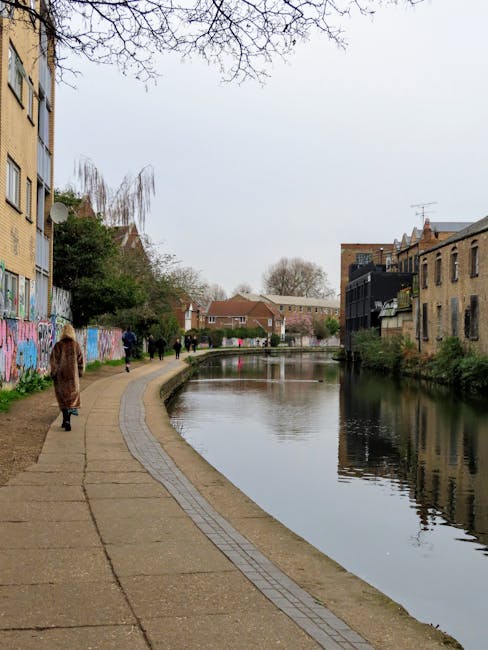
Bulky rubbish collection Hackney Wick estates East London

If you live or work on an estate in Hackney Wick, you already know the awkward bits can be the biggest ones: a broken wardrobe that won't fit in the lift, a mattress left after a move, or an old sofa sitting in the hallway doing absolutely nothing except collecting dust. Bulky rubbish collection in Hackney Wick estates East London is about getting those large, awkward, and often heavy items removed safely, quickly, and without turning your week upside down.
This guide explains how the service works, who it helps, what to expect on estate jobs, and how to avoid the common mistakes that slow things down. Whether you are clearing one item or several van-loads, the aim is simple: make the process easier, cleaner, and less stressful.
To be fair, bulky waste is rarely just "junk". It is usually a mix of timing, access, permissions, neighbours, and a bit of logistical juggling. Get those right, and the rest feels much easier.
- Why it matters
- How it works
- Key benefits
- Who needs it
- Step-by-step guidance
- Expert tips
- Common mistakes
- Tools, resources and recommendations
- Law, compliance and best practice
- Options and comparison
- Real-world example
- Practical checklist
- Frequently asked questions
Why Bulky rubbish collection Hackney Wick estates East London Matters
Estate living changes the way rubbish removal works. In a terraced house, you might drag an old unit straight outside. On a Hackney Wick estate, you are more likely dealing with shared entrances, communal hallways, controlled access, parking restrictions, or a lift that is already doing overtime. That changes everything.
Bulky rubbish collection matters because large items create problems quickly when they are left in shared spaces. They can block fire routes, inconvenience neighbours, and attract fly-tipping if people assume the item is "fair game". Even a single abandoned sofa can create a messy chain reaction. One item becomes two, then three, and suddenly everyone is annoyed.
There is also the practical side. Many estate residents do not have a suitable vehicle, do not want to lift heavy items, and simply do not have the time. That is where a proper bulky waste service becomes genuinely useful rather than just convenient.
In East London, especially around mixed residential blocks and compact estate layouts, access can be tight. That means the service is not just about collection; it is about planning the move, protecting shared areas, and getting the item out with as little disruption as possible. If you have ever tried to turn a wardrobe down a narrow stairwell at 7:30 in the evening, you will know exactly what I mean. Not fun.
Key takeaway: on estates, bulky rubbish removal is as much about access and safety as it is about disposal. The smoother the planning, the faster the clearance.
How Bulky rubbish collection Hackney Wick estates East London Works
The basic process is straightforward, but the details matter. A good collection service usually starts with a description of the items, an estimate of the load, and a discussion of access. On estates, that last part is often the most important.
Here is the usual flow:
- You describe the items. This may include furniture, white goods, mattresses, broken shelving, or a mix of household rubbish and bulky waste.
- Access is checked. That means things like floor level, lift access, parking, loading distance, and whether items need to be collected from inside a flat, hallway, storage cage, or ground-floor area.
- A quote or estimate is given. Pricing is often based on volume, weight, item type, labour, and disposal requirements. Some items are heavier or more awkward than they look.
- A collection time is arranged. Same-day or next-day collection may be available depending on demand and timing. In a busy part of London, slots can go quickly.
- The team removes the items. Items are carried out carefully to avoid damage to walls, lifts, communal flooring, or doors.
- The waste is sorted for disposal. Reusable items, recyclable materials, and general waste are typically handled separately where possible.
That sounds simple, but estate jobs often have a few extra moving parts. For example, a resident may need to let a concierge know, reserve parking temporarily, or make sure the item is ready near the entrance. A little prep goes a long way.
If the rubbish includes mixed materials, or if there are particularly awkward items such as bulky wardrobes, exercise equipment, or old office furniture, the collection team may need extra hands or a different loading plan. That is normal. No drama, just logistics.
Key Benefits and Practical Advantages
There are plenty of reasons people choose bulky rubbish collection instead of trying to deal with estate waste themselves.
- Less lifting and fewer injuries: heavy furniture and appliances are awkward, and one bad twist with a mattress or cabinet is enough to ruin your day.
- Faster clearance: items can often be removed in a single visit, which is a huge relief if you are moving out or preparing a property.
- Better for shared spaces: quick removal helps keep hallways, lobbies, and stairwells clear.
- Less risk of damage: experienced teams know how to manoeuvre items around tight corners, lifts, and communal areas.
- More suitable for estate access: the process can be planned around parking, loading, and building restrictions.
- Cleaner outcome: once the bulky rubbish is gone, the space feels usable again. That is often the moment people exhale a bit.
There is another benefit people sometimes overlook: peace of mind. If you have to coordinate family, tenants, agents, or neighbours, a clear removal plan reduces all the back-and-forth. It stops the job from becoming an all-day headache.
And let's be honest, there is real satisfaction in seeing an overloaded corner of a flat suddenly open up. You can almost hear the room breathe again.
Who This Is For and When It Makes Sense
Bulky rubbish collection Hackney Wick estates East London is useful for a wide range of people, not just landlords or property managers.
Typical users include:
- Estate residents clearing old furniture or appliances
- Families after a move, declutter, or refurb
- Tenants needing to leave a flat tidy
- Landlords preparing a property for new occupants
- Managing agents dealing with abandoned items
- Small businesses or studios storing surplus furniture or equipment
- Tradespeople left with non-hazardous bulky offcuts or old fixtures
It makes sense when the item is too large for standard bins, too awkward for a car boot, or too time-consuming to handle yourself. It also makes sense when you need the area cleared neatly and quickly, not "sometime later".
On estates, timing can matter more than people expect. If you wait too long, the item can get in the way of cleaners, contractors, or other residents. If a lift booking or access window is involved, that can affect the whole day. So yes, sometimes speed really does save time.
A common scenario is someone replacing a sofa or bed and realising the new one is arriving before the old one has gone. That is exactly the sort of moment where organised bulky collection saves stress.
Step-by-Step Guidance
If you want the removal to go smoothly, treat it like a small project. Nothing too fancy, just a bit of preparation. Here is the most practical way to approach it.
- List the items clearly. Note what needs collecting, how many pieces there are, and whether anything is heavy, fragile, or awkward.
- Check access points. Think about stairs, lifts, parking, loading bays, key codes, and whether the items can be brought to ground level.
- Measure if needed. This is especially useful for wardrobes, mattresses, shelving, and larger furniture. A tape measure can save a lot of guesswork.
- Separate reusable from waste items. If something could be donated, sold, or reused, decide that before collection day.
- Clear a route. Move smaller obstacles out of the way so the item can pass through safely.
- Confirm any building rules. Some estates need notice, signed-in visitors, or specific loading arrangements.
- Be present or reachable. If the team has to access a flat or communal area, someone may need to open doors or confirm what is being taken.
- Check the area after collection. A quick sweep or wipe-down is often all it takes to finish the job properly.
A useful habit is to take a photo of the items before booking. Not because it is a grand technical thing, just because pictures make quoting and planning easier. They also reduce misunderstandings later. Handy, really.
If the job involves several bulky items, consider grouping them by room or by type. One pile for furniture, another for mixed household waste, another for recyclables if applicable. It sounds minor. It is not.
Expert Tips for Better Results
After dealing with enough estate clearances, a pattern appears. The smooth jobs usually have the same qualities: clear communication, sensible prep, and realistic expectations.
- Photograph tricky items in place. This helps with access planning and avoids surprise issues on the day.
- Measure doorways and stair turns. Especially on older blocks where widths can be tighter than you expect.
- Tell people about parking early. In London, parking can be the annoying bit nobody mentions until the van is circling the block.
- Book with a buffer if you are moving house. Do not leave bulky clearance for the same hour the new furniture arrives unless you enjoy pressure.
- Keep the route clear from the flat to the exit. That includes rugs, bins, bikes, and the random little shoe rack everyone forgets about.
- Ask what happens to reusable items. Some people care a lot about recycling and re-use, and fairly so.
One small but useful tip: if the job includes a mattress, sofa, or chair, wrap or bag loose fabric only if the crew asks for it. Over-wrapping can make handling harder. Better to ask first than improvise badly.
Another tip, and this one sounds obvious until it goes wrong: make sure all items to be removed are clearly separated from what must stay. Halfway jobs are where mistakes creep in. Nobody wants the "wait, not that one" moment.
Common Mistakes to Avoid
Most bulky rubbish issues on estates come from avoidable mistakes rather than difficult waste itself. The item is not usually the problem. The planning is.
- Leaving everything until the last minute. Especially risky if you need access arrangements or same-day timing.
- Underestimating item size. A wardrobe or sofa looks manageable until you try to move it through a narrow door.
- Forgetting estate rules. Some sites have access windows, parking restrictions, or notice requirements.
- Mixing unwanted and wanted items. This is one of the easiest ways to create confusion.
- Not checking lift use. Shared lifts need care, and some buildings have rules about moving large items.
- Assuming every item is treated the same. Bulky waste can include different materials with different disposal routes.
- Choosing a collection only on price. Cheaper is not always cheaper if the team is unprepared for access or extra labour.
There is also the old classic: "I thought someone else had sorted it." On estates, that can leave bulky items stranded for days. Truth be told, it happens more often than people admit.
If you are managing a flat, block, or rental property, the safest route is to give clear instructions in writing and keep a quick record of what is being removed. Plain and simple.
Tools, Resources and Recommendations
You do not need much to organise a bulky rubbish collection, but a few simple tools and habits make the process smoother.
| Tool / Resource | Why it helps | Best use |
|---|---|---|
| Phone camera | Shows item size and access issues clearly | Before booking, especially for larger loads |
| Tape measure | Confirms fit through doors and stair turns | Wardrobes, beds, desks, and sofas |
| Notepad or checklist | Keeps item lists organised | When several rooms or flats are involved |
| Bin bags or tie-wraps | Helps separate loose waste | Small break-up items and accessories |
| Estate access details | Reduces delays on the day | Gate codes, lift info, parking notes |
For related clearance needs, some people also look at rubbish removal, waste collection, or furniture disposal when the job involves mixed household items rather than a single bulky object.
If you are dealing with a bigger clear-out, a broader waste clearance approach may be more practical than booking item-by-item. That is often the better choice when the situation has quietly grown into "a lot of stuff".
And if the items come from a flat rather than a house, it may help to think in terms of a coordinated flat clearance rather than a single-item pickup. Same outcome, different planning.
Law, Compliance, Standards, or Best Practice
On estates, the legal and practical side of waste handling matters more than people sometimes realise. You do not need to become an expert overnight, but a few basics are worth keeping in mind.
First, waste should be handled by a service that is set up to dispose of it responsibly. In the UK, duty of care principles mean waste should not simply be dumped, left in the wrong place, or passed along without proper handling. That is especially relevant if you are clearing items on behalf of a landlord, business, or managing agent.
Second, communal areas are shared spaces. Leaving bulky items in hallways, exits, or fire routes is not just messy; it can create avoidable safety concerns. Even if the item seems "out of the way", it is better not to test that theory.
Third, some items may need more careful handling than standard household rubbish. For example, certain electrical items, upholstered furniture, or mixed loads can require sorting before disposal. A reliable provider should be able to explain how items are separated rather than glossing over the point.
Best practice for residents and managers is simple: keep access clear, schedule collections properly, and avoid leaving items in communal spaces longer than necessary. That one habit prevents a surprising amount of friction.
If you are dealing with items from a business or office setting, it is worth choosing a service suited to commercial clear-outs, such as business waste or office clearance, rather than treating the job like a standard domestic pickup. The planning is just different, that's all.
Options, Methods, or Comparison Table
There is more than one way to deal with bulky waste on an estate. The right choice depends on urgency, item type, access, and how much you want to handle yourself.
| Method | Best for | Pros | Drawbacks |
|---|---|---|---|
| Self-haul to a disposal point | Small loads and vehicle access | Can be cheaper if you already have transport | Heavy lifting, time-consuming, parking and loading stress |
| Estate or council arranged collection | Residents following local procedures | Suitable for planned bulky disposal | May have booking windows or item limits |
| Private bulky rubbish collection | Fast, flexible, awkward access jobs | Convenient, tailored, often quicker | Usually costs more than doing it yourself |
| Clearance alongside other waste | Moves, refurbishments, or mixed loads | More efficient for several item types | Needs clearer sorting and planning |
For many Hackney Wick estate jobs, private collection wins because access is the real challenge. If the item has to come from a top floor, through a tight communal corridor, and out to restricted parking, convenience becomes worth quite a lot.
That said, if you only have one lighter item and easy access, a simpler route may be perfectly fine. Not every job needs the full machinery of a big clearance plan.
Case Study or Real-World Example
A typical Hackney Wick estate job might look like this: a resident is moving out of a two-bedroom flat and needs a bed frame, mattress, chest of drawers, and a damaged TV unit removed before the key handover. The lift is small, the building has a narrow entrance, and parking is limited to a short loading window.
Here is how that usually goes when it is handled well.
The resident sends photos of the items and mentions that the bed frame comes apart but the drawers do not. The collection team checks access, asks for the floor level, and confirms whether the items can be brought close to the entrance. The resident moves smaller items out of the way, clears the route, and lets the concierge know a collection is booked.
On the day, the team arrives within the agreed window, loads the bulky items carefully, and protects the communal space on the way out. The flat is left empty enough for the final clean. The resident gets to hand back the keys without that horrible last-minute scramble. Clean finish. Properly done.
What made the difference? Good communication, realistic timing, and a decent understanding of estate access. Nothing magical. Just sensible planning.
That sort of job also shows why it helps to use the right type of service in the first place. If the clear-out had included other household items too, a broader service such as home clearance or house clearance might have been the better fit.
Practical Checklist
Use this checklist before your bulky rubbish collection. A few minutes now can save a proper headache later.
- List every bulky item that needs removing
- Check whether any item is staying behind by mistake
- Take clear photos of the items and access route
- Measure doors, lifts, stair turns, and larger furniture if needed
- Confirm estate access rules, parking, and loading arrangements
- Keep communal pathways clear
- Separate recyclable, reusable, and general waste where possible
- Tell neighbours or building staff if access will be affected
- Prepare payment or booking details in advance
- Do a final sweep of the area after collection
Simple rule: if it is heavy, awkward, or likely to block the way, plan it before moving day rather than during it.
Conclusion
Bulky rubbish collection Hackney Wick estates East London is about more than simply taking away old items. It is about handling access, protecting shared spaces, keeping things moving, and giving people one less thing to worry about. On estates, that matters a lot.
The best results usually come from clear photos, sensible timing, a realistic description of the items, and a service that understands estate access. When that happens, the job is faster, cleaner, and far less stressful than people expect.
If your flat, block, or business space is getting crowded with things that no longer serve a purpose, do not let the pile grow into a bigger job than it needs to be. A well-planned collection can make a room feel usable again, and honestly, that feeling is worth a lot.
Get a free quote today and see how much you can save.
Frequently Asked Questions
What counts as bulky rubbish on a Hackney Wick estate?
Bulky rubbish usually means items too large for normal bins, such as sofas, mattresses, wardrobes, tables, chairs, shelving, and some appliances. If it is awkward to carry or does not fit in standard waste containers, it is probably bulky waste.
Can bulky items be collected from inside a flat?
Yes, often they can, provided access is safe and clearly arranged. On estates, it helps to confirm floor level, lift use, stair access, and whether the team needs help getting through communal areas.
How far in advance should I book bulky rubbish collection?
As early as you can, especially if you need parking coordination or have a move-out deadline. Same-day slots may be available in some cases, but planning ahead usually makes everything easier.
Do I need to move the items outside first?
Not always. Some collections include removal from inside the property, while others may require items to be brought to a convenient pickup point. It depends on the service and the estate access arrangements.
What if my items are mixed with general rubbish?
That is common. Mixed loads can often still be handled, but it is helpful to describe them clearly when booking. If the load includes furniture plus loose rubbish, mention both so the collection can be planned properly.
Is bulky rubbish collection better than hiring a skip?
For many estate jobs, yes, because bulky collection avoids skip permits, space issues, and the problem of overfilling. A skip can make sense for some projects, but on tight East London estates, collection is often the simpler option.
Can I dispose of a sofa or mattress this way?
Yes, these are among the most common bulky items collected. Just mention the item type in advance, as large soft furnishings can require specific handling and loading space.
What should I do if access is tight or there is no parking?
Tell the collection provider before the job is booked. Tight access is normal in Hackney Wick and much of East London, and it is far better to plan for it than to discover it on the day.
Will the collection team remove items from communal areas?
They often can, but shared spaces must be kept clear and safe. Items should not be left blocking exits, stairwells, or fire routes while waiting for collection.
How do I know if I need a full clearance rather than a single bulky collection?
If you have one or two large items, a bulky pickup may be enough. If the property also contains smaller unwanted items, clutter, or leftover contents, a broader clearance service may be more efficient.
Can landlords or managing agents arrange bulky rubbish collection?
Yes. In fact, it is often the most practical route when clearing abandoned furniture, post-tenancy items, or shared-space clutter on estates. Clear instructions and good records help a lot here.
What is the best way to prepare for collection day?
Take photos, measure tricky items, clear the route, confirm access details, and make sure everyone knows what is being removed. That simple prep saves time and reduces mistakes.
What happens if the item cannot fit through the door?
If that happens, the team may need to dismantle the item where possible or adjust the removal plan. This is exactly why measurements and photos before booking are so useful.
Is bulky rubbish collection suitable for office or business items?
Yes, but it is often better to use a commercial clearance service if the load comes from a workplace. Business furniture, office desks, filing units, and similar items may need a different approach from domestic waste.
For many people in Hackney Wick, the real win is not just getting rid of the item. It is getting the space back, the corridor clear, and the whole thing handled without stress. That is the part you remember.